

Printed electronics and sensors

Printed electronics and sensors2025-10-15T10:28:34+02:00
  • Printed electronics production
Point of contact: Danny Nitzsche

Do you have any questions?

How could printed electronics improve your products? Get a free, no-obligation quote now!

Point of contact:
Danny Nitzsche

Tel: +49 25 36 9 91 – 103
Mobil: +49 170 330 84 88
nitzsche [at] witte-technology.com
printelectric - printed electronics

printed electronics – Innovative solutions with printelectric®

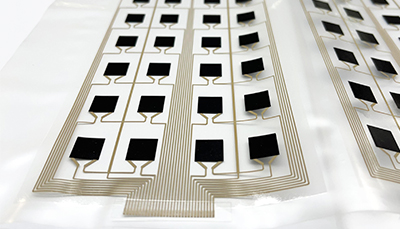
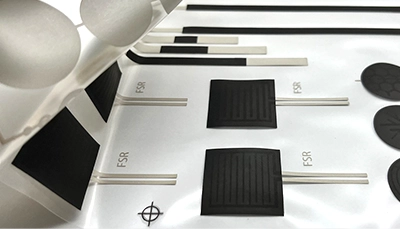
Printed electronics enable flexible, lightweight and customizable electronic solutions for a wide range of applications. The technology opens up innovative applications in areas such as healthcare, automotive, smart building, industry, security and vertical farming.

These include flexible sensors, intelligent building technology and interactive surfaces. We use printed electronics to develop solutions that are precisely tailored to the respective requirements and can be easily integrated into existing products and processes.

You are currently viewing a placeholder content from YouTube. To access the actual content, click the button below. Please note that doing so will share data with third-party providers.

More Information

Printed electronics for smart and customisable applications
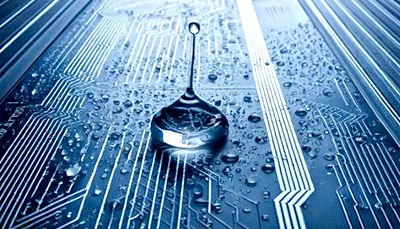
  • Integration on flexible and irregular surfaces

  • Cost efficiency for large quantities

  • Sustainable materials

  • Adaptation to existing production processes possible

  • Lightweight designs

Versatile applications for our products

Printed electronics in the automotive industry

Printed electronics open up new possibilities in the automotive sector for space-saving, lightweight, and flexible applications. They enable, among other things, integrated sensors, touch-sensitive surfaces, and functional films that can be seamlessly integrated into both vehicle interiors and exteriors. In this way, innovative solutions for comfort, safety, and functionality in vehicles are created.

Printed electronics in the healthcare sector

In healthcare, printed electronics enable innovative applications such as smart patches for measuring temperature, pH value, pressure, or ECG. Wearable sensor solutions record vital parameters in real time and support track-and-trace systems. In particular, health patches based on TPU offer high wearing comfort and open up new possibilities for precise, continuous health monitoring.
Printed electronics for smart buildings

In the field of smart buildings, printed electronics create intelligent solutions for greater safety and efficiency. Foil sensors reliably detect leakages of water, oil, or chemicals and enable early warning. This is complemented by humidity and temperature sensing, which supports precise climate control and can be seamlessly integrated into modern building automation systems.

What is printed electronics?

Printed electronics is an innovative technology for manufacturing electronic components using modern printing techniques such as screen printing, flexographic printing, gravure printing, inkjet printing, or roll-to-roll printing. Instead of conventional manufacturing methods, conductive, semiconductive, or insulating functional inks are applied to flexible substrates such as films or paper.

Both organic conductive and semiconductive materials as well as printable inorganic substances are used. When printed in individual layers, they form components with specific electronic properties.
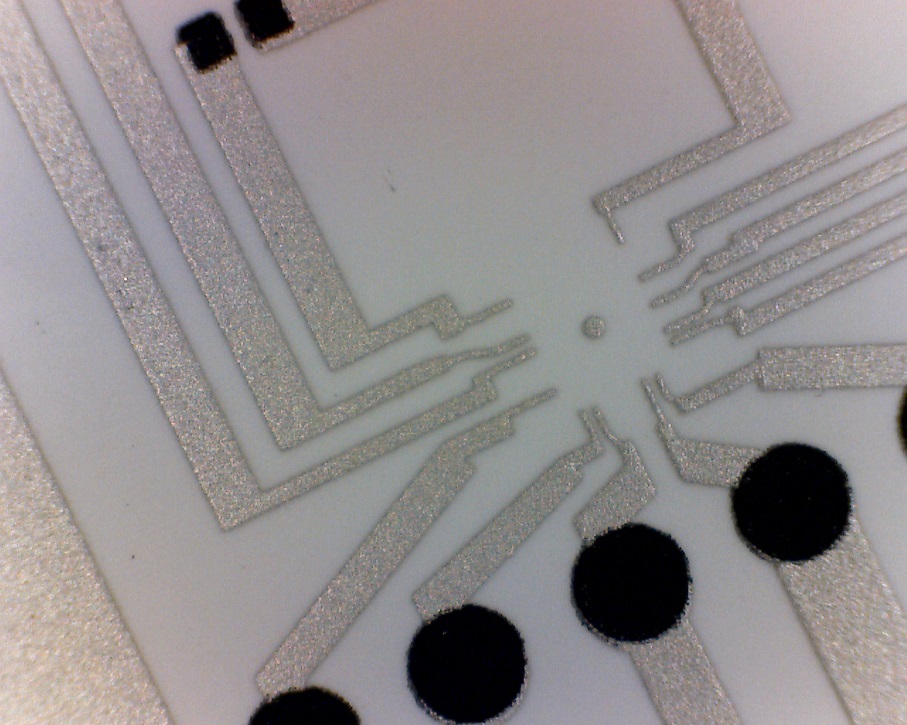
Printed electronics
Witte-Printed-Electronics-05
Printed electronics
Witte-Printed-Electronics_gedruckte-Batterie-Zoom

Typical applications of printed electronics

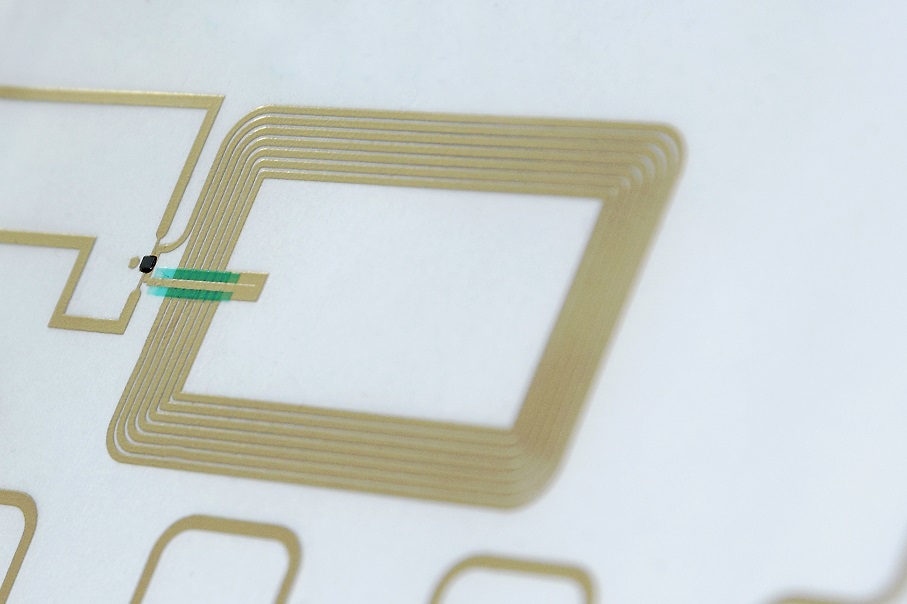
With the help of printed electronics, innovative solutions are possible in many areas. Typical applications include flexible sensors for temperature, pressure, and humidity, stretchable heating foils, and integrated antennas for RFID and NFC. Touch panels, smart displays, as well as printed systems for energy generation and storage are also part of this field. Smart labels, which intelligently enhance packaging and logistics processes, are particularly in demand.

  • Flexible sensors (e.g. for temperature, pressure, humidity measurement)
  • Stretchable heating foils
  • Printed antennas (RFID, NFC)
  • Touch control panels and smart displays
  • Energy generation and storage (printed solar cells, batteries)
  • Smart labels for packaging and logistics

The advantage of printed electronics:

Extremely thin, flexible, and in some cases transparent electronic components open up a wide range of applications. They are used, among other areas, in consumer electronics, packaging technology, the automotive sector, the pharmaceutical industry, the energy sector, and household appliances.

The result is innovative products such as touch sensors, flexible displays, solar cells, light-emitting foils, and smart labels. These fully printed components can be used for capturing and transmitting data within the Internet of Things (IoT).
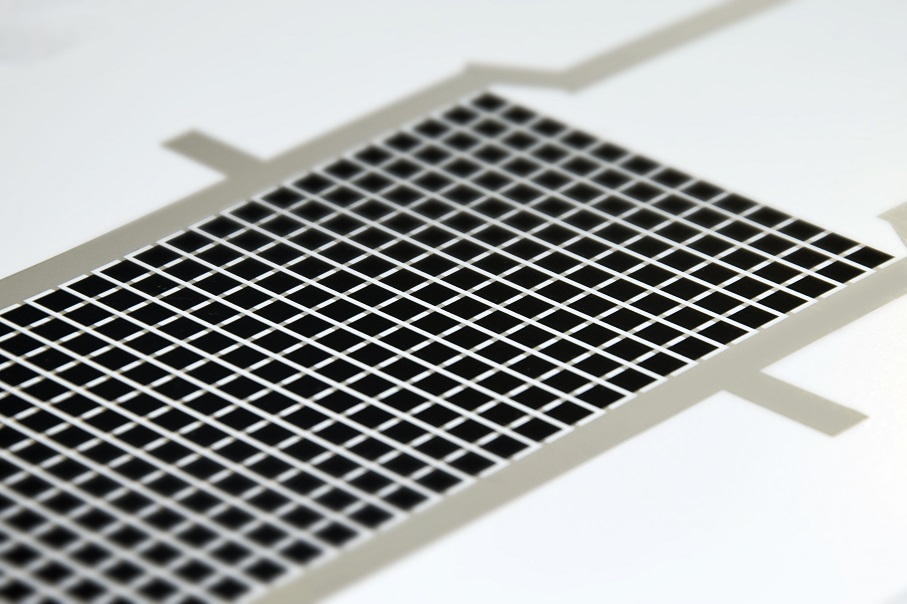
Printed electronics
Witte-printed-electronics-Heizfolie

The technology of printed electronics

Printed electronics are electrically conductive or semiconductive functional fluids that can be printed cost-effectively over large areas onto film, paper, glass or textiles and, thanks to their specific properties, enable functional layers or even complex circuit layouts.

The use of printing technology enables the production of two-dimensional, flexible technical components, opening up entirely new possibilities for future innovations.

The future of printed technology

You are currently viewing a placeholder content from YouTube. To access the actual content, click the button below. Please note that doing so will share data with third-party providers.

More Information

Innovative technologies

The research and development of printed electronics is an emerging field that focuses on the creation of innovative electronic devices. In this sector, professionals like Sarah Shishegaran are working to develop and advance new technologies and applications.

From sensors to OLEDs: the possibilities of printed electronics

Printed electronics is a fascinating technology with a promising future. As a sub-area of functional printing (printed electronics), it is an outstanding example of groundbreaking developments in the field of modern printing technologies. Put simply, it involves electrical or electronic components that are manufactured using special ‘printable’ materials. These components can be thought of as printed sensors.

The individual layers required for the components are produced using established printing methods, such as screen printing, flexographic printing, gravure printing, and inkjet printing, and they can be insulating, electrically conductive, or semiconductive.

We have been dedicated to this pioneering field since 2017. Our focus lies on combining printed components with conventional electronics, an approach commonly referred to as hybrid electronics or PolyTronic. Components that fall under the category of printed electronics include specialized conductive tracks and electrode structures, batteries, sensors, heating elements, NFC antennas, organic light-emitting diodes (OLEDs), organic photovoltaics (OPV), as well as transistors. When comparing a printed transistor with its counterpart in conventional electronics, the smallest transistor that can be manufactured using printing technologies is roughly a thousand times larger (µm range) than those in conventional electronics (µm range).

The development of printed sensors

By now, there are numerous areas of application in which printed and organic electronics are being used. Their advantages such as compactness, cost efficiency, and energy efficiency are even paving the way for entry into mass markets and opening up unforeseen technical and design possibilities for many industries.

The possibilities of printed sensors

The shape and design of printed components such as batteries or antennas are almost unlimited. In addition to today’s OLED televisions, which are equipped with OLED components deposited in a vacuum, this also applies, for example, to:

  • Temperature sensors for food packaging
  • Electronic product labels to protect against counterfeiting
  • Extremely thin and flexible displays
  • Illuminated films
  • Printed sensors and antennas for the automotive industry
  • Printed batteries
  • Many other applications

You are currently viewing a placeholder content from YouTube. To access the actual content, click the button below. Please note that doing so will share data with third-party providers.

More Information

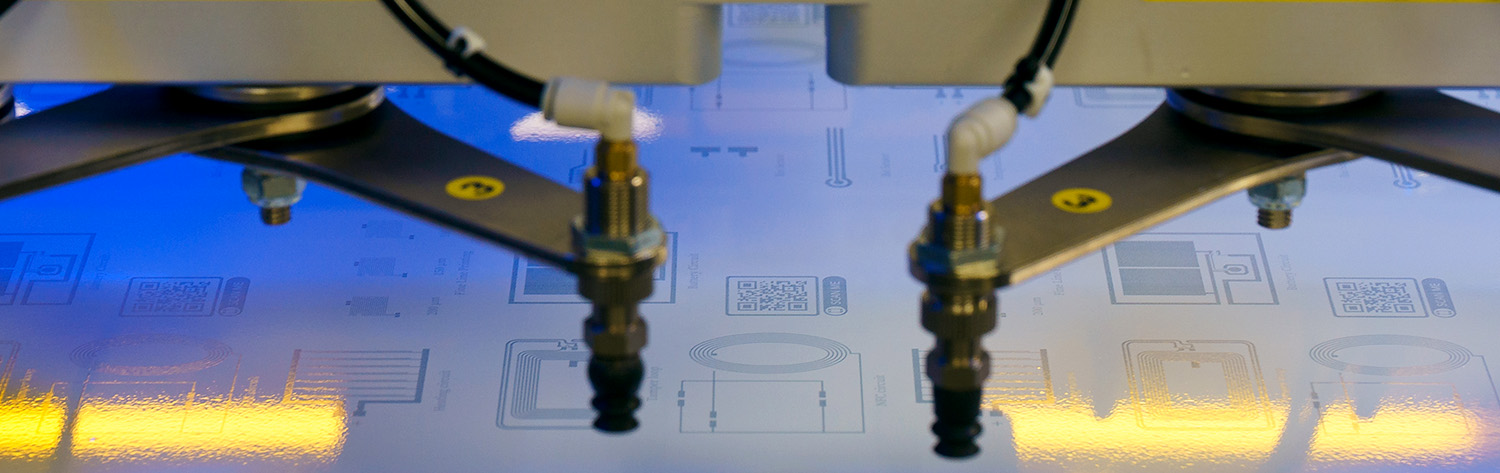
The cleanroom for quality assurance of printed electronics

You are currently viewing a placeholder content from YouTube. To access the actual content, click the button below. Please note that doing so will share data with third-party providers.

More Information

Dr. Philip Renners in the clean room

The clean room as a guarantee of quality

Cleanrooms (also referred to as controlled environments) are essential in electronics development and production. The technology continues to evolve to meet increasing demands and to ensure quality across the industry.

In the development of modern printed electronics, the cleanroom is indispensable. Environmental conditions are strictly controlled here to minimize contamination and ensure the precision of the electronics.

The cleanroom ensures air purity, temperature, and humidity control to manufacture high-precision electronic components. This guarantees the quality and reliability of printed electronic products. In addition, a cleanroom minimizes the risk of contamination that could impair the performance and lifespan of electronic components during the manufacturing process.

Printed electronics meets security: Innovative solutions from Witte Technology

Although the core business of Witte Technology GmbH originally lay (and still lies) in label and security printing, we decided at an early stage to include printed electronics in our service portfolio. This soon revealed interesting synergies between the different segments, particularly with regard to digital and printed security features. At present, we offer printed batteries, NFC antennas, sensor elements, smart packaging (SmartPack), and partially SmartLabel, while simultaneously developing complex components. In doing so, we primarily rely on R2R screen and flexographic printing as well as S2S screen printing.

A brand-new innovation are digital seals that can even detect invisible tampering and instantly send the information to your smartphone. In the field of printed sensors, this represents the next generation of tamper protection. Feel free to learn more about our Digital Tamper Loop division! In addition, we have established our own clean room to elevate working and development conditions to a new level and to provide you with even more precise solutions.

Would you like to learn more about this topic? Don’t hesitate to get in touch with us. Our experts will be happy to answer your questions. Of course, the same applies if you would like a non-binding consultation on any of our other areas of expertise: from thermal transfer printers and self-adhesive labeling solutions to printed electronics – we are here for you!

FAQ – Frequently asked questions about printed electronics

Which printed electronics products does Witte Technology GmbH offer?2025-08-22T11:31:24+02:00

Witte Technology GmbH offers a range of printed electronics products, including printed batteries, NFC antennas, sensor elements, smart packaging, and SmartLabels. In addition, we develop complex components and have introduced innovative digital seals. We are also happy to advise you on customizing solutions for your products.

What are the advantages of printed electronics?2025-08-22T11:30:08+02:00

Printed electronics offer advantages such as compactness, cost and energy efficiency. Applications can be found in many areas, for example in OLED televisions, temperature sensors for food packaging, electronic product labels, ultra-thin and flexible displays, light-emitting foils, and printed sensors for the automotive industry.

Where can I get more information about printed electronics?2025-08-22T11:27:55+02:00

At Witte Technology GmbH, experts are ready to answer your questions about printed electronics and offer advice in this area. We can provide you with further information at any time via the contact form or the telephone number.
Which components belong to the “printed electronics” category?2025-08-22T11:27:15+02:00
Printed electronics include components such as special conductor paths and electrode structures, batteries, sensors, heating elements, NFC antennas, organic light-emitting diodes (OLED), organic photovoltaics (OPV) and transistors.

Download the printelectric®-flyer here!


printed electronics Flyer as PDF

Here you can download the product overview
of other products from the Plusprint® range
!

Preview of the product overview from the Plusprint® range

Contact Danny Nitzsche

Contact person
Danny Nitzsche

Would you like advice on your printed electronics products?

Use our contact form now or call us directly!
Our experts can help you immediately.

Tel: +49 25 36 9 91 – 103
Mobile: +49 170 330 84 88
nitzsche [at] witte-technology.com

Contact Danny Nitzsche

Your contact from Research and Development
Dr. Philip Renners

Are you interested in a consultation on printed electronics?
Contact us using our form or call us directly!

Tel: +49 170 90 90 650
renners [at] witte-technology.com

Go to Top